
Live-Service Games: Why Subscription and Seasonal Models Continue to Grow
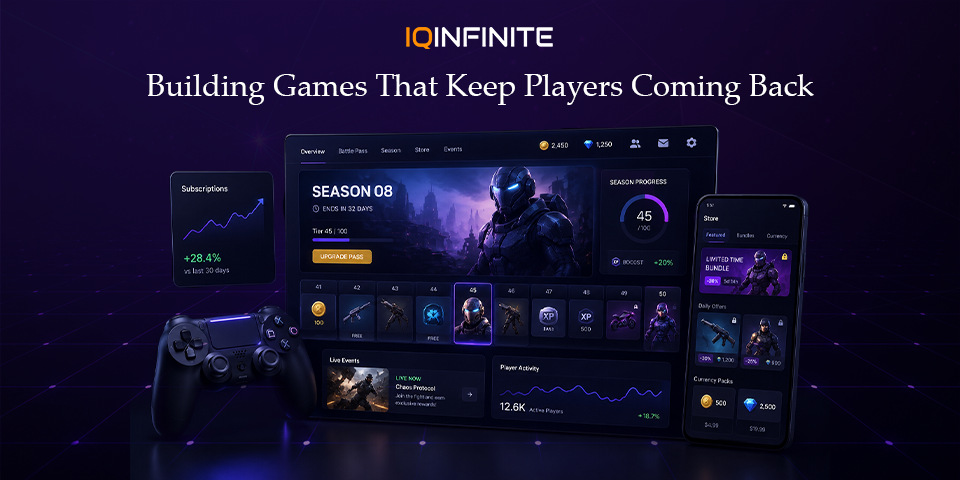
The gaming industry has undergone a massive transformation over the last decade. Instead of relying solely on one-time game purchases, developers and publishers are increasingly embracing live-service gaming models, subscription-based gaming platforms and seasonal content strategies to drive long-term player engagement and sustainable revenue growth.
As we move through 2026, live-service games continue to dominate the market, fueled by advancements in AI-powered personalization, cloud gaming, cross-platform ecosystems, battle pass systems and real-time player analytics. From multiplayer shooters and battle royales to MMORPGs and sports games, live-service models have become a cornerstone of modern game development.
Instead of relying solely on one-time game purchases, developers and publishers are increasingly embracing live service games, subscription-based gaming platforms, game subscription services and seasonal content strategies to drive long-term player engagement and sustainable revenue growth.
What Are Live-Service Games?
Unlike traditional games that receive minimal updates after release, live-service games operate as dynamic digital ecosystems that constantly deliver fresh experiences to players.
Key Characteristics of Live-Service Games
- Seasonal content updates
- Battle Pass systems and reward tracks
- In-game events and challenges
- Subscription memberships
- Cross-platform progression
- Regular content expansions
- Community-driven updates
- Real-time balancing and patches
- AI-driven personalization
The Rise of Gaming Subscription Services
Why Subscription Models Are Growing
1. Better Value for Players
Benefits include:
- Lower upfront costs
- Access to premium games
- Cloud gaming capabilities
- Exclusive member benefits
- Day-one game releases
2. Predictable Revenue for Developers
Advantages include:
- Stable monthly income
- Reduced revenue volatility
- Improved forecasting
- Higher customer lifetime value (LTV)
- Increased player retention
3. Growth of Cloud Gaming
Key cloud gaming trends include:
- Low-latency streaming
- Edge computing infrastructure
- AI-enhanced performance optimization
- Device-independent gaming
- Instant game access
Why Seasonal Models Are So Successful
Instead of releasing major updates only once or twice a year, developers now deliver structured seasonal experiences every few months.
Benefits of Seasonal Content
1. Continuous Player Engagement
- New missions
- Limited-time events
- Exclusive cosmetics
- New characters
- Story expansions
2. Stronger Community Participation
Community-focused features include:
- Seasonal leaderboards
- Ranked competitions
- Clan challenges
- Community milestones
- Live events
3. Increased Monetization Opportunities
Popular monetization methods include:
- Battle passes
- Premium season access
- Cosmetic bundles
- Character skins
- Event-exclusive content
How AI Is Transforming Live-Service Gaming
AI-Powered Personalization
- Recommend content
- Personalize rewards
- Match players intelligently
- Optimize difficulty levels
- Predict player behaviour
AI-Driven Analytics
- User engagement patterns
- Churn risks
- Spending behaviour
- Feature adoption
- Seasonal performance
Dynamic Content Generation
- Procedural quests
- Dynamic storylines
- Personalized events
- Intelligent NPC interactions
- Adaptive game worlds
Cross-Platform Gaming Fuels Growth
Players now expect seamless experiences across:
- PC
- Console
- Mobile
- Cloud gaming platforms
Benefits of Cross-Platform Support
- Larger player communities
- Faster matchmaking
- Unified progression systems
- Improved retention
- Expanded revenue opportunities
The Importance of Real-Time Live Operations (LiveOps)
Modern LiveOps Includes:
- Real-time events
- Seasonal launches
- Limited time offers
- Engagement campaigns
- Community challenges
Emerging Trends Shaping Live-Service Games in 2026
AI-Powered Game Personalization: Advanced machine learning systems create customized player journeys.
Agentic AI NPCs: Intelligent NPCs capable of dynamic interactions and evolving behaviour.
Cloud-Native Game Development: Scalable infrastructure supporting global player bases.
User-Generated Content Ecosystems: Players contribute maps, cosmetics and experiences.
Real-Time Data Analytics: Instant insights improve balancing and player satisfaction.
Digital Ownership Integrations: Secure ownership systems for virtual items and rewards.
Hyper-Personalized Seasonal Experiences: AI-tailored content based on player preferences and behaviour.
Challenges of Subscription and Seasonal Models
- Content production pressure
- Player burnout
- Increasing development costs
- Community management complexity
- Balancing monetization and player trust
The Future of Live-Service Gaming
As technology continues to evolve, live-service games will become smarter, more personalized and more community-driven. Developers that leverage Generative AI, Agentic AI, predictive analytics, cross-platform gaming and cloud-native infrastructure will be best positioned to thrive in the competitive gaming landscape of 2026 and beyond.