
Build Smarter Mobile Apps with Facebook Event Integration: A Complete Guide
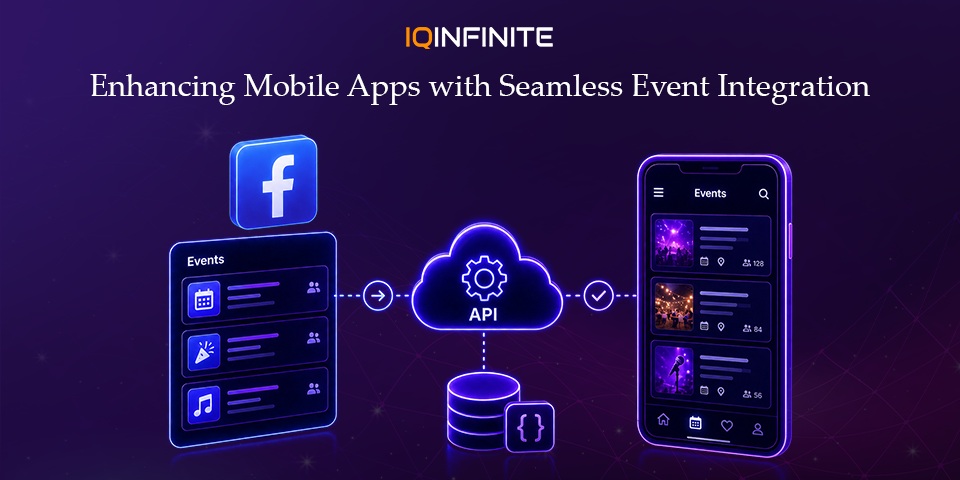
In today’s hyper-connected digital ecosystem, mobile apps are no longer just tools they are engagement platforms. Users expect real-time updates, social connectivity and personalized experiences. One powerful way to meet these expectations is through social event integration mobile apps, specifically by integrating Facebook Events into your application.
Facebook remains one of the largest social platforms globally, with millions of events created daily from business promotions and webinars to concerts and community meetups. By leveraging Facebook API mobile app integration, you can tap into this dynamic ecosystem and significantly enhance user engagement, retention and value.
Why Facebook Event Integration Matters
Modern users rely heavily on social platforms to discover events and stay informed. Integrating Facebook Events into your mobile app allows you to:
- Provide real-time event updates
- Enable seamless event discovery
- Increase user engagement through social interaction
- Offer personalized event recommendations
- Improve app stickiness with dynamic content
For businesses, this translates into better visibility, higher participation rates and stronger brand presence.
Key Features to Implement
1. Event Discovery & Listing
Enable users to seamlessly browse upcoming events within your app. Advanced filtering options such as location, interests, categories and trending popularity help users quickly find relevant events, improving engagement and retention.
2. Social Login Integration
Integrating Facebook Login simplifies onboarding and enhances personalization. It also supports deeper Android Facebook API integration and cross-platform implementations, enabling access to user preferences (with permission).
3. Real-Time Notifications
Push notifications ensure users never miss important updates. Combined with React Native Facebook events integration, developers can deliver real-time alerts across platforms efficiently.
4. RSVP & Sharing Capabilities
Allow users to mark their attendance status (Interested/Going) directly within the app. Additionally, enable easy sharing of events with friends via social platforms or messaging, increasing organic reach and participation.
5. Calendar Synchronization
Integrating events with the user’s device calendar enhances convenience. Automated reminders and schedule syncing significantly improve attendance rates and user satisfaction.
Technology Stack & Integration Approach
Facebook Graph API
The Facebook Graph API serves as the core of event integration. It allows developers to fetch event data, manage permissions and interact with Facebook’s ecosystem efficiently.
Key implementation steps include:
Key implementation steps include:
- Registering your app in the Facebook Developer Console
- Generating and managing access tokens securely
- Requesting required permissions (such as user_events, subject to approval)
- Fetching and managing event data via API endpoints
Backend Considerations
A scalable and efficient backend is essential for handling real-time data and API interactions.
Recommended technologies:
Recommended technologies:
- Node.js or Laravel for robust API handling
- Cloud platforms like AWS or Firebase for scalability and real-time capabilities
- Redis or similar caching mechanisms to reduce API load and improve performance
Frontend Integration
Choose technologies based on your app development strategy:
- Android: Kotlin or Java with Facebook SDK
- iOS: Swift with Facebook iOS SDK
- Cross-platform: Flutter or React Native for faster development and broader reach
Data Privacy & Compliance
With growing concerns around data privacy, compliance is non-negotiable.
Best practices include:
Best practices include:
- Request only necessary permissions
- Clearly communicate how user data will be used
- Ensure compliance with GDPR and regional data regulations
- Secure user data through encryption and proper token management
Failure to adhere to these practices can result in app rejection, legal risks and loss of user trust.
Use Cases Across Industries
Event Management Apps
Enhance visibility by combining Facebook events with in-app listings, increasing participation and reach.
Travel & Hospitality
Display local events based on user location or travel destination to enrich the overall experience.
Fitness & Community Apps
Promote nearby fitness sessions, workshops and group activities to encourage community engagement.
E-Learning Platforms
Integrate webinars, live sessions and workshops hosted on Facebook to centralize user access.
Enhance visibility by combining Facebook events with in-app listings, increasing participation and reach.
Travel & Hospitality
Display local events based on user location or travel destination to enrich the overall experience.
Fitness & Community Apps
Promote nearby fitness sessions, workshops and group activities to encourage community engagement.
E-Learning Platforms
Integrate webinars, live sessions and workshops hosted on Facebook to centralize user access.
Challenges and Limitations
Despite its advantages, Facebook integration comes with constraints:
- Strict API permission and review processes
- Limited access to certain user data
- Dependency on evolving Facebook platform policies
- API rate limits and performance considerations
Proper planning and architecture are required to mitigate these challenges effectively.
Future Trends
The future of Facebook Event integration will be shaped by emerging technologies:
- AI-powered event recommendations
- Enhanced social graph insights
- Augmented Reality (AR) event previews
- Integration with metaverse-like digital experiences
Early adoption of these trends can provide a strong competitive advantage.
Conclusion
Integrating Facebook Events into your mobile app is more than just a feature it’s a strategic enhancement aligned with modern user behaviour. It bridges the gap between social interaction and mobile functionality, creating a richer, more engaging experience.
When implemented effectively, it transforms your app into a dynamic social hub where users don’t just consume content they actively participate, connect and engage in real-world experiences.
When implemented effectively, it transforms your app into a dynamic social hub where users don’t just consume content they actively participate, connect and engage in real-world experiences.