
Digital Veterinary Solutions: How Technology Is Transforming Animal Healthcare
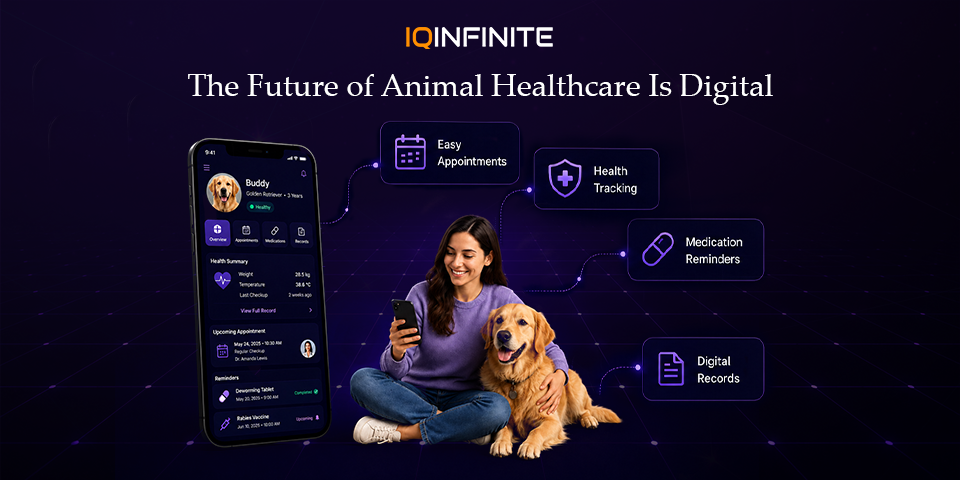
The veterinary industry is rapidly evolving as digital technologies reshape how clinics manage operations, monitor animal health and deliver care. From AI-assisted diagnostics to cloud-based management systems, modern veterinary practices are adopting smarter digital solutions to improve efficiency, reduce manual work and enhance pet healthcare experiences.
Today’s clinics are no longer dependent on paper records and manual scheduling. Instead, they rely on connected platforms such as veterinary software for clinics, automated communication systems and mobile health applications to streamline veterinary care.
As pet ownership continues to rise globally, technology-driven veterinary services are becoming essential for delivering faster, smarter and more personalized animal healthcare.
The Rise of Digital Veterinary Solutions
- Patient records
- Vaccination schedules
- Lab reports
- Billing and insurance
- Remote consultations
- Real-time health tracking
This is why many healthcare providers are investing in smart veterinary management systems that centralize clinic operations into a single digital ecosystem.
These systems help veterinarians improve productivity while offering better experiences for both pet owners and clinic staff.
Why Veterinary Clinics Are Adopting Digital Platforms
Increasing Pet Ownership
Growing Operational Complexity
Demand for Faster Communication
Remote and Preventive Care
These changes are accelerating adoption of veterinary software for clinics worldwide.
Veterinary Software for Clinics
These platforms help clinics manage:
- Electronic medical records (EMR)
- Appointment scheduling
- Billing and invoicing
- Inventory management
- Diagnostic reports
- Customer communication
Benefits of Veterinary Software
- Faster patient record access
- Reduced administrative workload
- Improved clinic efficiency
- Better appointment management
- Enhanced client communication
Smart Veterinary Management Systems
These systems often integrate:
- AI-assisted diagnostics
- Cloud storage
- Automated reminders
- Digital prescriptions
- Real-time analytics
- Multi-location management
For larger veterinary networks, these systems also support:
- Shared patient databases
- Role-based staff access
- Multi-branch reporting
- Cross-location appointment management
Veterinary Scheduling Software Improves Clinic Efficiency
Traditional scheduling methods often lead to:
- Double bookings
- Missed appointments
- Administrative confusion
- Long waiting times
Key Features Include
- Online appointment booking
- Automated confirmations
- Real-time calendar management
- Staff scheduling
- Emergency slot handling
- SMS and email reminders
Pet owners also benefit from a smoother booking experience.
Pet Vaccination Reminder Systems
Many clinics now use automated pet vaccination reminder systems to notify owners about upcoming appointments.
These systems send:
- SMS reminders
- Email notifications
- Mobile app alerts
- Annual vaccination schedules
- Increase vaccination compliance
- Reduce missed appointments
- Improve long-term pet health outcomes
Pet Health Monitoring Apps
A pet health monitoring app allows pet owners to track:
- Activity levels
- Diet and nutrition
- Medication schedules
- Vaccination records
- Sleep patterns
- Medical history
This enables veterinarians to monitor chronic conditions and identify potential health issues earlier.
Benefits of Pet Health Monitoring Apps
- Improved preventive care
- Better communication with veterinarians
- Easier medication tracking
- Real-time health insights
- Increased owner engagement
Telemedicine in Veterinary Healthcare
Veterinary telemedicine platforms now allow:
- Video consultations
- Remote symptom assessments
- Follow-up appointments
- Digital prescription management
- Rural pet owners
- Emergency consultations
- Busy households
- Post-treatment monitoring
AI and Data Analytics in Veterinary Care
AI-powered systems can assist with:
- Medical image analysis
- Disease prediction
- Behavioral analysis
- Treatment recommendations
- Patient trends
- Common illnesses
- Treatment effectiveness
- Operational inefficiencies
Challenges of Digital Transformation in Veterinary Clinics
Data Security and Privacy
Staff Training
Integration Complexity
Initial Costs
However, long-term operational improvements often outweigh these challenges.
The Future of Digital Veterinary Solutions
Future innovations may include:
- AI-powered diagnostics
- Wearable pet health devices
- Predictive healthcare analytics
- Voice-assisted veterinary systems
- Blockchain-based medical records
- Fully integrated mobile healthcare ecosystems
Conclusion
As veterinary practices continue adopting digital solutions, the future of animal healthcare will become increasingly connected, data-driven and accessible. Clinics that invest in modern digital systems today will be better positioned to improve patient outcomes, streamline operations and meet the growing expectations of modern pet owners.