
Dark Patterns in UX: When Design Crosses the Ethical Line
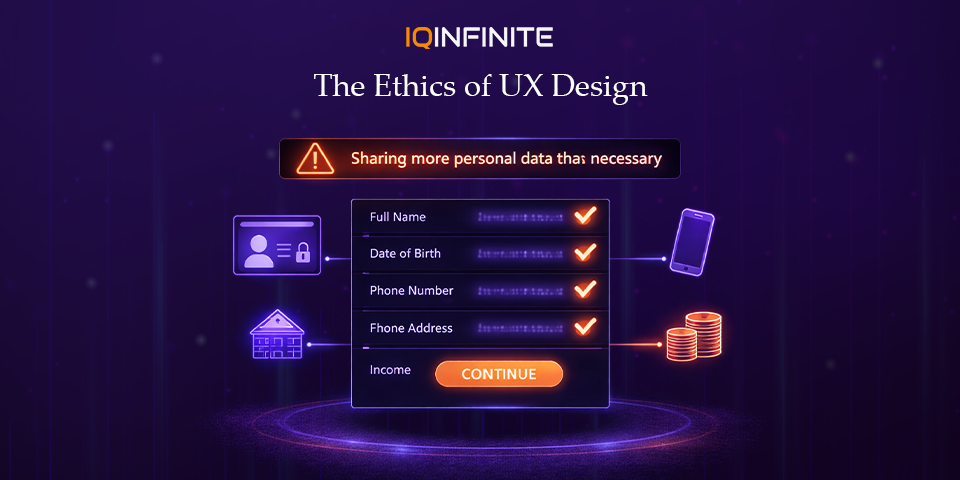
User experience design is meant to make digital products intuitive, helpful, and user-friendly. However, not all design decisions are made with the user’s best interests in mind. Some interfaces deliberately manipulate users into taking actions they might not otherwise choose. These deceptive design strategies are known as dark patterns in UX.
As digital platforms compete for attention, conversions, and engagement, the line between persuasive design and manipulation can become blurred. Understanding manipulative UX techniques is essential for designers, product teams, and businesses that want to build trust and create ethical digital experiences.
In this article, we explore what dark patterns are, highlight dark patterns UX examples, and explain how teams can focus on avoiding dark patterns in design using transparent UX design techniques.
What Are Dark Patterns in UX?
These design tactics often exploit psychological triggers such as urgency, confusion, or misdirection. Instead of helping users make informed choices, dark patterns push them toward actions like:
- Signing up for unwanted subscriptions
- Sharing more personal data than necessary
- Making accidental purchases
- Agreeing to terms they did not fully understand
Today, dark patterns are increasingly scrutinized by regulators and design communities because they undermine transparency, user autonomy, and trust.
Types of Dark Patterns in UX
1. Bait and Switch
For example, clicking a button that appears to close a popup may instead subscribe the user to notifications or emails.
2. Confirmshaming
Example messages include:
“No thanks, I prefer paying full price.”
“No, I don’t want to improve my productivity.”
These messages make users feel uncomfortable declining an offer.
3. Hidden Costs
Users invest time completing a purchase process before discovering unexpected charges such as service fees, handling costs, or mandatory add-ons.
4. Forced Continuity
5. Roach Motel
Users may need to navigate multiple menus, contact support, or complete complicated steps to terminate a subscription.
6. Sneak into Basket
7. Misdirection
8. Disguised Ads
Why Should Designers Care About Dark Patterns?
Loss of User Trust
Users who feel manipulated are less likely to return to a product or recommend it to others.
Legal and Regulatory Risks
Governments and regulatory bodies are increasingly cracking down on deceptive UX practices. Many consumer protection laws now address manipulative design.
Brand Reputation Damage
A company known for deceptive design practices can quickly lose credibility in competitive markets.
Poor User Experience
Ethical UX prioritizes clarity, accessibility, and user autonomy. Dark patterns undermine these principles and lead to negative user experiences.
Ultimately, ethical design builds sustainable relationships between products and users.
Real Examples of Dark Patterns
Subscription Traps
Some streaming and subscription services have historically made cancellation processes difficult, requiring multiple steps or hidden menus.
E-Commerce Checkout Tricks
Certain online retailers automatically add insurance, warranties, or additional products during checkout unless users manually remove them.
Cookie Consent Manipulation
Many websites make the “Accept All Cookies” option highly visible while hiding the “Reject” option behind additional clicks.
How to Avoid Dark Patterns in UX Design
Prioritize Transparency
Clearly communicate what actions will occur when users click buttons or submit information.
Offer Equal Choices
Acceptance and rejection options should be equally visible and accessible.
Simplify Opt-Out Processes
Users should be able to cancel subscriptions, withdraw consent, or delete accounts easily.
Respect User Autonomy
Design should empower users to make informed decisions rather than pushing them toward a particular outcome.
Conduct Ethical UX Reviews
Teams should regularly evaluate designs to ensure they do not unintentionally introduce manipulative patterns.
Tools to Test for Ethical UX
UX Audit Frameworks
Structured UX audits help identify manipulative patterns in interfaces and improve transparency.
Accessibility Testing Tools
Accessibility platforms can reveal confusing navigation patterns and misleading interactions.
User Testing Platforms
Observing real users interact with a product helps identify areas where confusion or manipulation may occur.
Design Ethics Checklists
Many UX communities have developed ethical design checklists that guide teams toward responsible product decisions.
Regular testing ensures products remain user-centered rather than conversion-driven.
Conclusion
While manipulative design tactics may deliver short-term gains, they ultimately erode user trust, damage brand reputation, and increase regulatory risk.
Ethical UX design focuses on transparency, accessibility, and informed decision-making. By recognizing and avoiding dark patterns, designers can create digital experiences that respect users and build long-term trust.
As awareness around ethical technology continues to grow, organizations that prioritize responsible UX will be better positioned to succeed in the evolving digital landscape.