
Continuous Deployment at Scale: Modern DevOps Automation Strategies
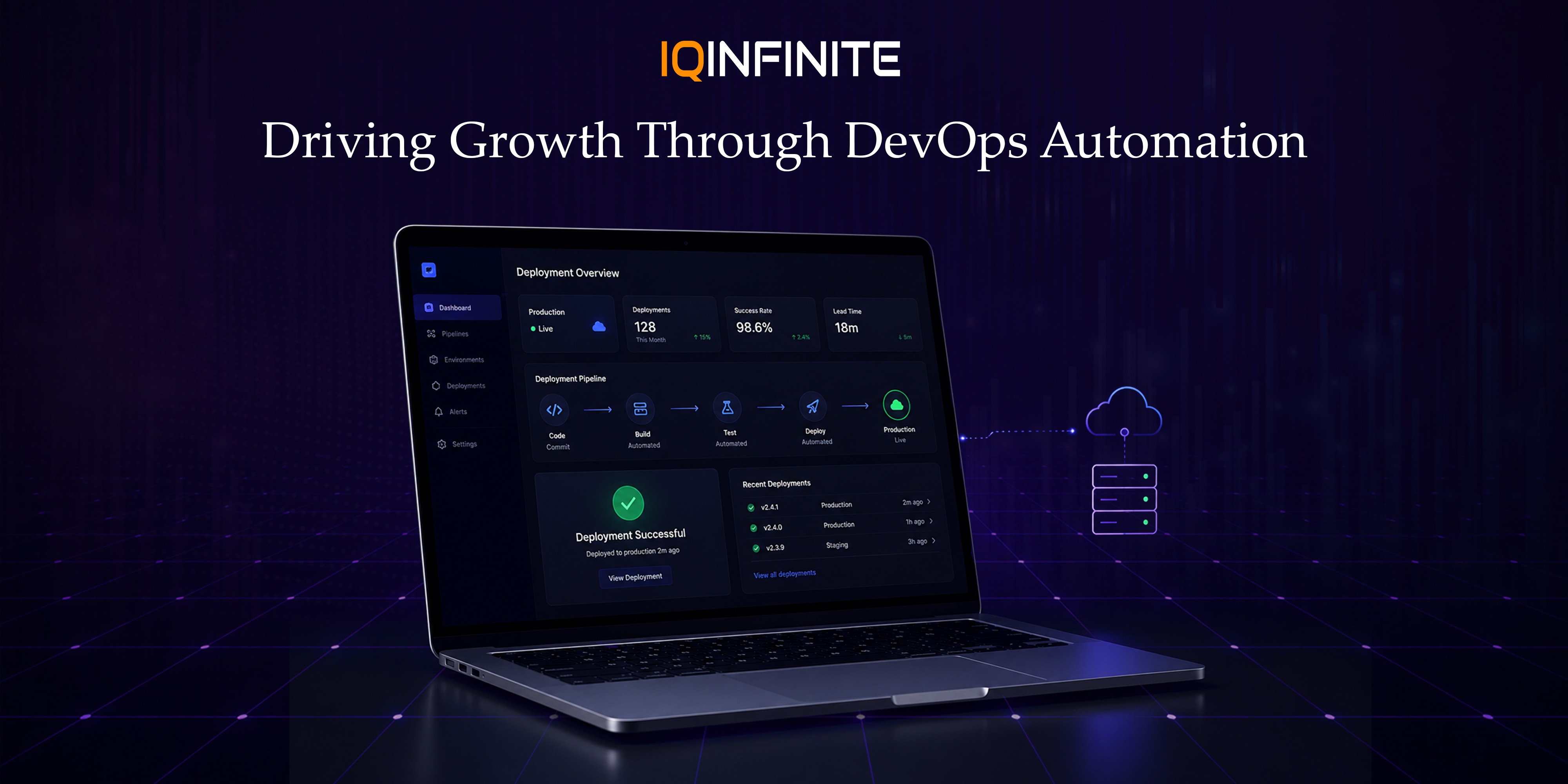
As software delivery cycles continue to accelerate, organizations are moving beyond traditional CI/CD pipelines and embracing intelligent, automated deployment ecosystems. In 2026, Continuous Deployment (CD) is no longer just a competitive advantage it has become a necessity for businesses aiming to deliver faster releases, improve software quality and maintain reliability at scale.
With the rise of AI-powered DevOps, platform engineering, GitOps workflows, cloud-native architectures and autonomous operations, modern DevOps automation strategies are transforming how engineering teams build, test and release software. Organizations looking for how to automate software deployment are increasingly adopting intelligent deployment platforms to accelerate software delivery.
What Is Continuous Deployment?
Unlike Continuous Delivery, which requires manual approval before deployment, Continuous Deployment automates the entire release process, enabling organizations to:
- Deliver features faster
- Reduce deployment risks
- Improve customer satisfaction
- Accelerate innovation cycles
- Increase developer productivity
Why Continuous Deployment Matters in 2026
- AI-driven applications
- Multi-cloud environments
- Microservices architecture
- Edge computing deployments
- Real-time digital experiences
- Agentic AI systems
- Delayed feature delivery
- Increased technical debt
- Higher operational costs
- Slower incident response
Key Trends Shaping Continuous Deployment at Scale
AI-Powered DevOps Automation (AIOps)
Modern AIOps platforms can:
- Predict deployment failures
- Detect anomalies in real time
- Recommend rollback actions
- Analyze deployment risks
- Automate root-cause analysis
GitOps as the New Standard
Benefits include:
- Declarative infrastructure management
- Version-controlled deployments
- Improved auditability
- Faster disaster recovery
- Enhanced security compliance
Platform Engineering Adoption
Internal Developer Platforms (IDPs) enable teams to:
- Standardize deployment workflows
- Reduce operational complexity
- Improve developer experience
- Accelerate software delivery
Kubernetes-Native Deployment Automation
Modern deployment automation includes:
- Automated container orchestration
- Dynamic scaling
- Self-healing infrastructure
- Progressive delivery
- Multi-cluster management
DevSecOps Integration
Modern DevSecOps practices include:
- Automated security scanning
- Software Supply Chain Security
- Secret management automation
- Container vulnerability assessment
- Infrastructure compliance validation
Essential Components of a Scalable Continuous Deployment Pipeline
Automated Testing Strategy
A modern testing pipeline includes:
- Unit Testing
- Integration Testing
- API Testing
- End-to-End Testing
- Performance Testing
- Security Testing
- AI-Assisted Test Generation
Infrastructure as Code (IaC)
Benefits include:
- Repeatable deployments
- Reduced configuration drift
- Faster environment creation
- Improved compliance
- Better disaster recovery
Automated Release Validation
- Synthetic monitoring
- Smoke testing
- Health checks
- User journey validation
- Real-time performance verification
Feature Flags and Progressive Delivery
Teams can:
- Release features gradually
- Perform A/B testing
- Enable instant rollbacks
- Target specific user segments
- Minimize production impact
Advanced Deployment Strategies for Large-Scale Applications
Blue-Green Deployment
Advantages:
- Near-zero downtime
- Faster rollback capability
- Reduced deployment risk
- Improved user experience
Canary Deployments
Benefits include:
- Early issue detection
- Lower production risk
- Improved release confidence
- Better user impact analysis
Rolling Deployments
Advantages:
- Efficient resource utilization
- Minimal service interruption
- Simplified deployment management
- Better scalability
Automated Rollback Mechanisms
Modern systems automatically:
- Detect failures
- Analyze performance degradation
- Revert unstable releases
- Restore previous configurations
Observability-Driven Deployment Automation
Modern observability platforms provide:
- Distributed tracing
- Real-time metrics
- Centralized logging
- AI-powered anomaly detection
- Predictive incident management
Multi-Cloud and Hybrid Cloud Deployment Strategies
Continuous Deployment pipelines must support:
- Multi-cloud orchestration
- Cross-region deployments
- Disaster recovery automation
- Compliance management
- Unified monitoring
The Role of AI Agents in DevOps
AI agents can:
- Generate deployment configurations
- Monitor infrastructure health
- Investigate incidents
- Optimize cloud resources
- Automate release decisions
Best Practices for Continuous Deployment at Scale
- Automate everything possible
- Adopt GitOps workflows
- Integrate security from the start
- Implement comprehensive monitoring
- Use Infrastructure as Code
- Leverage feature flags
- Enable automated rollback mechanisms
- Invest in platform engineering
- Standardize deployment processes
- Utilize AI-powered operational insights
Challenges to Watch in 2026
- Managing complex microservices ecosystems
- Securing software supply chains
- Controlling cloud infrastructure costs
- Maintaining compliance requirements
- Handling large-scale observability data
- Coordinating multi-cloud deployments
Conclusion
As cloud-native technologies continue to mature and AI-driven automation becomes mainstream, businesses that invest in modern Continuous Deployment strategies will gain a significant competitive advantage through faster innovation, improved reliability, enhanced security and superior customer experiences.
The future of software delivery is autonomous, intelligent and continuously evolving and organizations that embrace these modern DevOps automation strategies today will be best positioned for long-term success.