
Containerization Solutions for Faster Deployment and Smarter Infrastructure
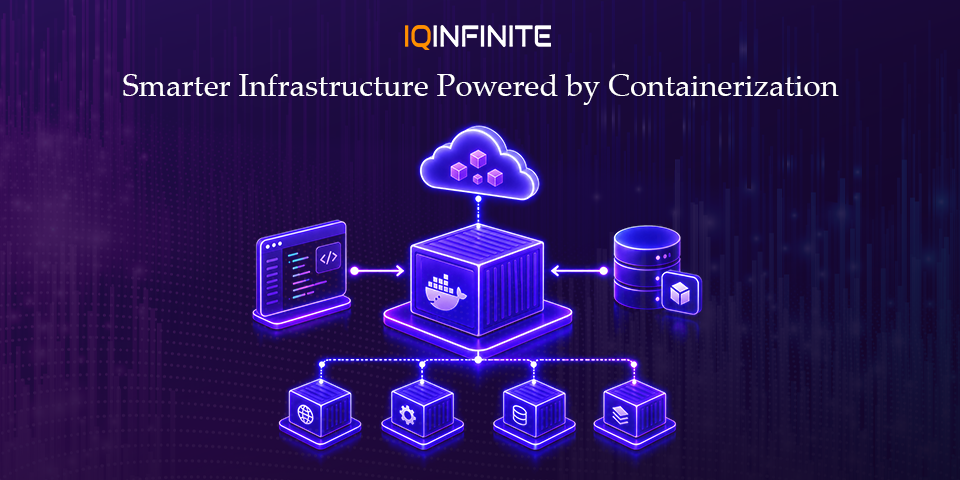
In 2026, containerization is no longer just a DevOps trend it has become the foundation of modern digital infrastructure. Businesses are moving beyond traditional deployment models and adopting containerized environments to achieve faster releases, better scalability, stronger security and cost-efficient operations.
From startups building SaaS platforms to enterprises modernizing legacy systems, containerization enables organizations to deploy applications consistently across development, testing, staging and production without the “it works on my machine” problem.
According to recent cloud-native adoption reports, 98% of organizations now use cloud-native technologies in some form and 82% of container users run Kubernetes in production, making containerization a core part of enterprise IT strategy. Additionally, 66% of organizations managing generative AI inference workloads are already using Kubernetes, showing how container platforms are now powering AI-driven operations as well.
This shift is largely driven by the demand for fast deployment with containers, allowing teams to release updates rapidly while maintaining consistency and reliability.
What is Containerization?
Unlike traditional virtual machines, containers share the host operating system while maintaining isolated environments for each application. This makes them faster, lighter and significantly more efficient.
Popular technologies driving containerization include:
- Docker for container creation and Docker container optimization to improve performance, reduce image size and enhance runtime efficiency
- Kubernetes for orchestration, scaling and enabling infrastructure automation containers across distributed systems
- Podman for secure container runtime
- OpenShift for enterprise container platforms
- AWS ECS, EKS, Azure AKS and Google GKE for managed container services supporting a hybrid cloud container strategy
Why Businesses Need Containerization in 2026
- Environment inconsistencies
- Slow-release cycles
- High infrastructure costs
- Difficult scaling
- Security vulnerabilities
- Limited disaster recovery readiness
Modern organizations are increasingly choosing hybrid architectures that combine containers with serverless systems to optimize both performance and cost. Industry reporting notes that serverless containers are becoming a dominant pattern because they combine the flexibility of containers with reduced infrastructure management overhead.
Key Benefits of Containerization Solutions
Faster Deployment Cycles
This supports continuous integration and continuous deployment (CI/CD), helping businesses release updates faster with fewer errors.
Result:
Faster product launches and improved customer satisfaction.
Better Scalability
This is especially important for:
- E-commerce platforms during peak sales
- Healthcare systems handling patient traffic
- FinTech platforms processing high transaction volumes
- SaaS products serving global users
Improved Infrastructure Efficiency
This means:
- Lower cloud costs
- Higher server utilization
- Reduced infrastructure waste
- Better ROI from cloud investments
Stronger Security and Compliance
- Image vulnerability scanning
- Zero-trust security policies
- Role-based access control
- Secrets management
- Runtime protection
- Software Bill of Materials (SBOM) adoption
This is especially critical for industries like healthcare, banking and government systems where compliance requirements are strict.
Hybrid and Multi-Cloud Flexibility
Containerization supports:
- AWS + Azure hybrid environments
- Private cloud + public cloud strategies
- Edge computing deployments
- Cloud migration without vendor lock-in
Latest Containerization Trends in 2026
AI Workloads Running on Kubernetes
This allows businesses to manage AI services with the same operational discipline as traditional applications.
The shift from model training to AI inference workloads is becoming one of the biggest drivers of modern cloud-native infrastructure.
Platform Engineering Replacing Traditional DevOps
This improves:
- Standardization
- Developer productivity
- Security governance
- Faster onboarding
Serverless Containers
Serverless container services offer:
- Pay-per-use efficiency
- Automatic scaling
- Reduced operational complexity
- Faster deployment without infrastructure management
Edge Computing + Lightweight Kubernetes
This enables real-time processing closer to users while maintaining centralized control.
Real-World Use Case
Before containerization:
- Manual deployments
- Downtime during updates
- Server dependency issues
- Slow scaling during emergencies
- Zero-downtime deployment
- Automatic traffic scaling
- Faster patient portal performance
- Better system reliability
- Improved compliance and monitoring
Better patient experience and stronger operational resilience.
Business Impact
- Reduce deployment time by weeks to minutes
- Improve infrastructure reliability
- Increase development velocity
- Lower operational costs
- Strengthen disaster recovery readiness
- Accelerate digital transformation initiatives
Conclusion
In 2026, companies that adopt smart containerization strategies gain a major competitive advantage through speed, resilience and operational intelligence.
The future belongs to businesses that can deploy faster, scale smarter and innovate continuously.
Containerization makes that possible.