
How AI Tools Are Redefining Website Development in the Modern Era
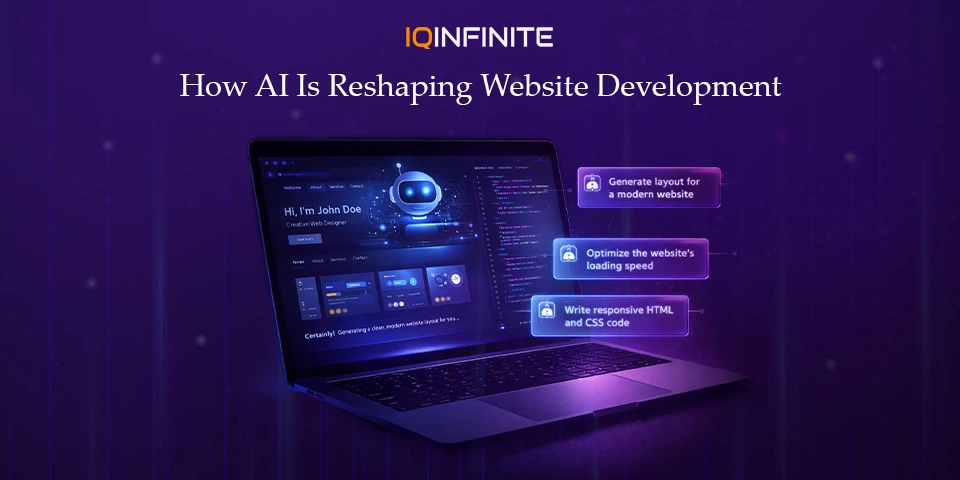
In 2026, AI is no longer just assisting website development it is fundamentally redefining how websites are conceived, designed and built. From single-page landing sites to complex, full-stack web applications, AI has become a core part of the modern web development workflow. Businesses across industries, including innovative brands inspired by digital ecosystems like ikea strom, are leveraging AI-driven tools to create smarter, faster and more personalized web experiences.
Whether you’re a developer accelerating delivery, a designer turning ideas into interfaces instantly or a business owner launching products without heavy technical barriers, AI-powered tools are now indispensable. They dramatically reduce development time, increase productivity and unlock creative possibilities that were once limited by code, resources or expertise trends closely watched by market leaders and investors tracking innovation-driven growth, such as movements in netflix stock.
1. Claude (Anthropic) - Prompt-Driven Coding & Creative Site Generation
In 2026, Claude stands out for its reasoning depth and design sensitivity. Developers and non-developers alike use it to spin up responsive landing pages, interactive demos and themed micro-sites at remarkable speed sometimes multiple sites in under an hour.
Why it matters
- Removes the intimidation factor of coding
- Excels at creative, brand-driven or experimental layouts
- Great balance between readability and functionality in generated code
Best for
- Non-developers, founders and creators
- Rapid prototyping and MVP validation
- Playful, content-heavy or design-first websites
2. Cursor - AI-Native IDE Built for Serious Developers
Its defining strength is context awareness. Cursor can refactor across files, explain unfamiliar codebases, generate features end-to-end and even run background agents that write code while you focus on architecture and product direction.
What’s new & notable
- AI agents that operate asynchronously
- Visual editor support for design-level changes inside apps
- Deep multi-file reasoning and intelligent refactoring
Best for
- Professional developers and engineering teams
- Production-grade web apps
- Projects where code quality, control and scalability matter
3. Gemini (Google) - Multimodal AI for Modern Web Workflows
Gemini Code Assist helps generate frontend and backend snippets, detect bugs, suggest fixes and even automate pull requests. Its multimodal capabilities allow developers to go from screenshots or designs → usable UI code, which is increasingly valuable in fast-moving teams.
Why teams use Gemini
- Tight integration with Google Cloud, Firebase and CI/CD
- Strong support for full-stack and backend workflows
- Multimodal inputs (image, text, code) in one system
Best for
- Teams already invested in the Google ecosystem
- Backend-heavy or cloud-native projects
- Developers who want AI embedded into existing workflows
4. Builder.io - AI-Powered Visual Building with Real Code
Its standout feature, Visual Copilot, converts design files (like Figma) directly into clean, responsive production code. Unlike traditional no-code tools, Builder.io integrates with existing component libraries, APIs and frameworks making it genuinely developer-friendly.
Key highlights
- Design → code automation
- AI-assisted content generation and editing
- Seamless integration with real codebases and workflows
Who it’s for
- Designers and marketers shipping fast
- Product teams managing dynamic content
- Engineering teams supporting visual editing at scale
5. Bolt.new - Browser-Based AI for Full-Stack App Creation
With its latest versions, Bolt.new supports real-world app needs like user auth, payments, storage and third-party integrations all without local setup. Everything runs directly in the browser.
What makes it powerful
- Prompt → build → deploy pipeline
- Full-stack support (backend, DB, auth, hosting)
- Integrations with Figma, GitHub, Stripe and more
Best for
- Founders building MVPs fast
- No-code / low-code teams
- Rapid experimentation with full products
What’s Trending in AI Website Development
Vibe Coding Is Now Mainstream
AI + Traditional Development Workflows
More Automation, Less Repetition
Human Oversight Remains Essential
Conclusion
Whether you're launching a landing page, prototyping an MVP or building a complex web app there’s an AI tool tailored to your needs.
Start exploring these tools today and see how AI can dramatically speed up your development cycle, reduce costs and unlock creativity like never before.